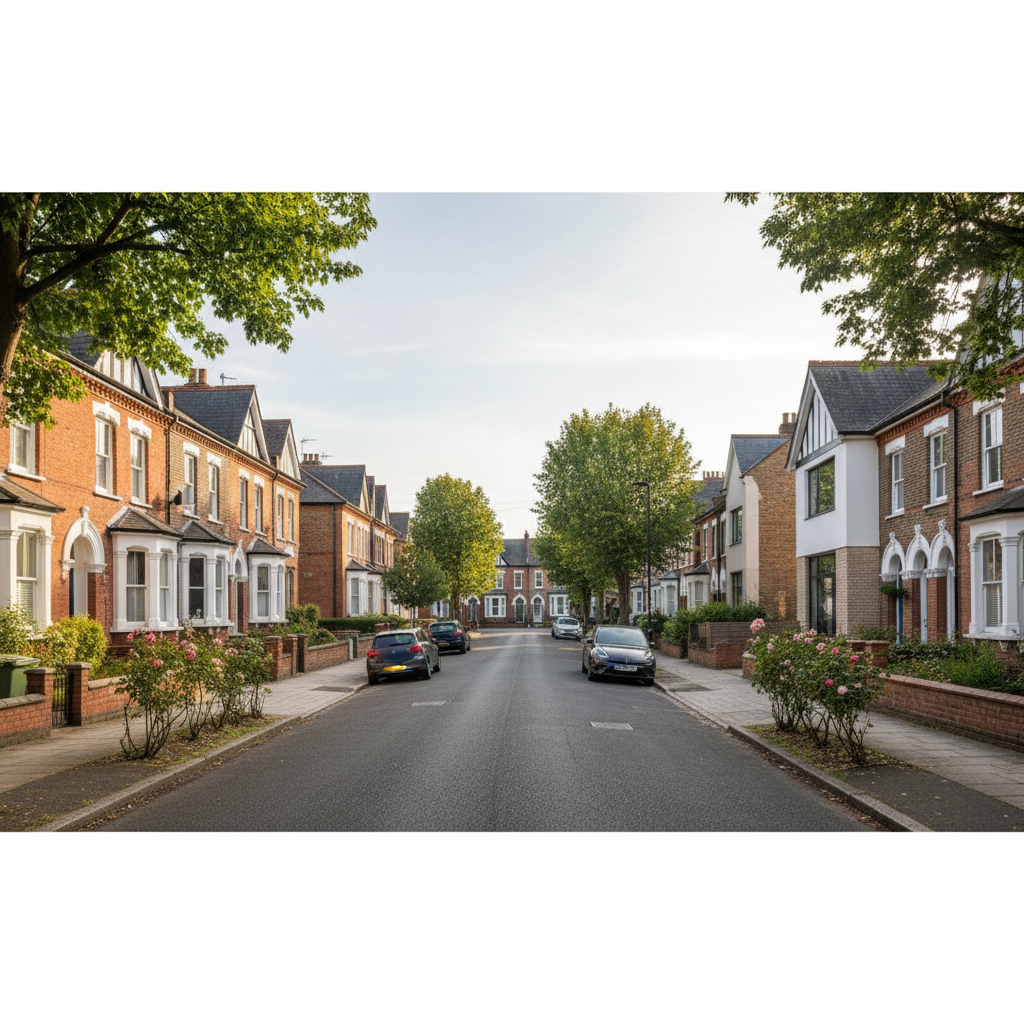
Looking Into the Purse Strings, June 2026 Inflation & Affordability Update
Hello there! It’s Daniel Lewis here. I’ve noticed a funny thing recently while chatting with neighbours around IG10 3. Everyone seems to think that because prices at the supermarket are still higher than they were a few years ago, we’re all getting poorer by the day. There's this myth that the "cost of living crisis" is a permanent downwards slide.
But I’ve got some surprisingly good news for you: the reality is starting to look quite different.
Imagine you’re carrying a heavy rucksack up a hill. For a long time, people kept adding bricks to that bag (that’s inflation). Lately, the person adding the bricks has slowed down significantly, and—here’s the best bit—you’ve been hitting the gym and getting stronger (that’s your wages rising). For the first time in a while, you’re actually starting to climb faster than the weight can slow you down.
What’s happening with the "Price Tag" of life?
Right now, the official "inflation rate" is sitting at 3%. If you’re wondering what that actually means, think of it like this: if a basket of your favourite snacks cost £100 last June, that same basket now costs £103. While it’s still going up, it’s not jumping up nearly as fast as it was back in the spring when it was at 3.6%.
Are we winning the race?
Here is the "did you know" moment that most people miss: while the price of your milk and bread went up by 3%, the average person’s pay cheque went up by 3.7%.
Because your pay is growing faster than the bills are, you actually have about 0.7% more "spending power" than you did last year. It might feel like a small victory—perhaps just enough for a nice extra family dinner out once in a while—but in the world of money, this is a huge signal. It means our wallets are finally starting to heal.
What does this mean for your move?
If you’ve been thinking about getting a bigger place or finally buying your first home, this "healing" is exactly what you’ve been waiting for.
Earlier this year, in February and March, the price of homes was wobbling a bit more. But now, in June 2026, the average UK house price is around £284,862. It’s stayed very steady compared to last month. Because the Bank of England has kept their interest rate at 3.75%, things feel a lot less like a rollercoaster and more like a calm Sunday drive.
When your wages grow and house prices stay steady, the "mountain" you have to climb to afford a home actually gets smaller. It’s becoming easier for people to get the green light from banks to borrow what they need.
How does this land in IG10 3?
You might wonder how these big national numbers affect us here in our corner of the world. In IG10 3, we have a very "balanced" market. That means we don't have too many buyers fighting over too few houses, but we also don't have houses sitting empty with nobody wanting them.
While national prices are quite steady, our local average sold price over the last year has been around £503,097. Because people in the local area are seeing those same wage increases of 3.7%, they are feeling more confident about making an offer on that garden they’ve always wanted. It also helps landlords keep things fair; as their own costs settle down, the whole rental market feels a bit less frantic.
The Sunny Outlook
It’s been a long road, hasn't it? But seeing our pay rise faster than the cost of our weekly shop is the best evidence we’ve had in years that the wind is finally behind us. Whether you’re staying put or looking for a change of scenery, the ground beneath us is feeling a lot firmer today than it did yesterday.